
Just miles apart in the California desert, two festivals are redefining genres, audiences, and the future of live music.
Every spring, the desert landscape of Indio becomes the center of the global music conversation. Within weeks of each other, two of the most influential festivals in the world take place: Coachella and Stagecoach Festival.
On the surface, they represent two very different musical identities. Coachella is known for its global, genre-spanning lineup that includes pop, hip-hop, electronic, and alternative artists. Stagecoach, on the other hand, is rooted in country, Americana, and storytelling traditions. But that distinction is becoming less clear.
What is happening between these two festivals is not separation but convergence. The artists, the audiences, and even the sound itself are beginning to overlap in ways that are reshaping modern music.
The Expansion of Country Music Beyond Its Roots
Country music is experiencing one of the most significant evolutions in its history. While its foundations remain rooted in storytelling and traditional instrumentation, its sound has expanded dramatically.
At Stagecoach Festival, this shift is impossible to ignore. Modern country artists are incorporating elements of pop production, rock energy, and even hip-hop rhythms into their music. The result is a genre that feels both familiar and new.
This evolution is not just artistic. It is strategic. By broadening its sound, country music has opened itself to a wider audience, particularly younger listeners who grew up with more diverse musical influences.
Genre expectations no longer confine artists. They are building sounds that reflect how people actually listen today.
“Country music is no longer defined by where it started, but by where it is willing to go.”
Coachella’s Influence on Genre Fluidity
While Stagecoach is expanding outward, Coachella has been pushing genre fluidity for years.
At Coachella, it is common to see artists who blend multiple influences within a single performance. A set might move from electronic production to acoustic moments or from hip-hop beats to indie-style vocals.
This approach reflects a broader shift in the industry. Genres are becoming less important as labels and more important as tools. Artists are using them selectively, combining elements to create something unique.
Coachella amplifies this trend by placing diverse artists on the same lineup, encouraging audiences to explore beyond their usual preferences. The result is a festival environment where discovery becomes part of the experience.
The Rise of the Crossover Audience
One of the most important developments linking these two festivals is the audience.
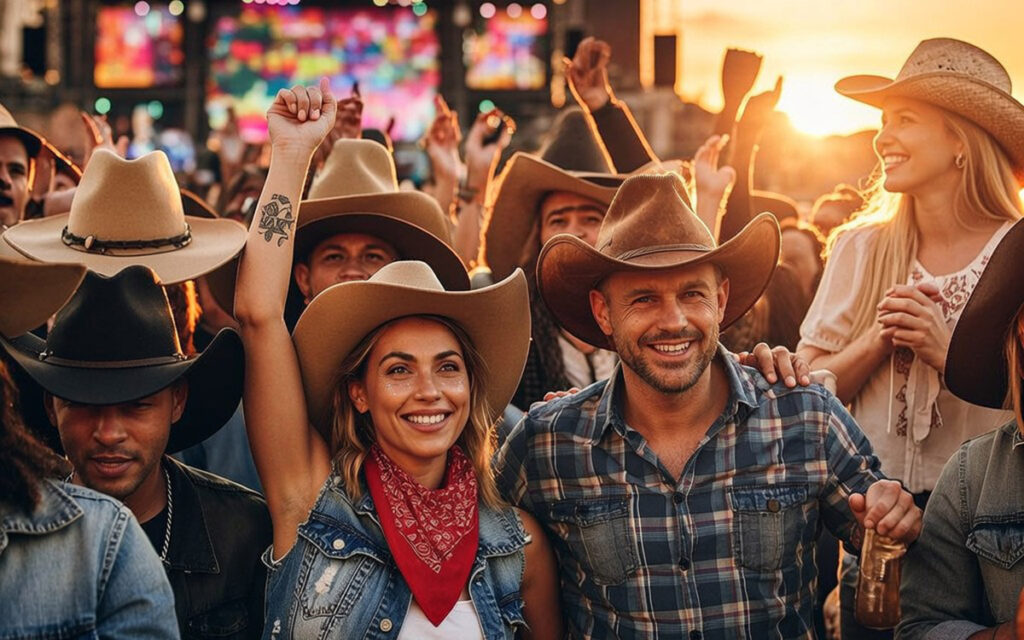
More than ever, fans are attending both Coachella and Stagecoach. What was once a clear divide between audiences is now a shared space. A listener who attends Coachella for pop or electronic music may return for Stagecoach to experience country, and vice versa.
This crossover is changing expectations. Audiences are more open to different sounds, and artists are responding by creating music that appeals across genres.
The idea of a “country fan” or a “pop fan” is becoming less defined. Listeners are curating their own tastes, drawing from multiple genres without restriction. This shift is one of the driving forces behind the blending of sounds seen across both festivals.
California as a Cultural Testing Ground
The location of these festivals is not incidental. Southern California has long been a hub for cultural experimentation, particularly in music.
Hosting both Coachella and Stagecoach in Indio creates a unique environment where trends can develop rapidly. Artists, producers, and industry professionals move between both events, exchanging ideas and observing audience reactions.
This proximity accelerates change. What resonates at one festival can influence the other within the same season. In many ways, Indio has become a testing ground for the future of live music.
Collaboration and the Breakdown of Barriers
As genres blend and audiences overlap, collaboration becomes more natural.
Artists from different backgrounds are increasingly working together, both in the studio and on stage. These collaborations introduce fans to new sounds and expand the reach of both artists.
Festivals play a key role in this process. They create opportunities for unexpected pairings, whether through surprise guest appearances or planned performances. These moments are more than entertainment. They represent a shift in how music is created and shared.
“When genres stop competing, they start collaborating.”
What This Means for the Future of Music Festivals
The convergence between Coachella and Stagecoach reflects a larger trend in the music industry.
Festivals are moving away from strict genre identities and toward more diverse, experience-driven programming. Organizers are recognizing that audiences want variety, discovery, and flexibility.
This shift has several implications:
- Lineups will become more diverse
- Artists will continue to experiment across genres
- Audiences will become more open and less defined by labels
The traditional boundaries that once separated genres are fading. Festivals are not just reflecting that change; they are driving it.
Conclusion
Coachella and Stagecoach may have started as distinct events, but they are now part of the same conversation. Together, they illustrate how music is evolving. Genres are blending, audiences are expanding, and the lines that once defined the industry are becoming less relevant.
For artists, this environment creates new opportunities to innovate. For audiences, it creates richer, more diverse experiences. And for the industry as a whole, it signals a future where music is not limited by category but defined by creativity.
FAQs
Can you attend both Coachella and Stagecoach in the same trip?
Yes, many attendees plan extended stays in the Indio area to experience both festivals.
Is country music becoming more mainstream?
Yes, especially as artists incorporate elements from other genres and reach broader audiences.
Why are genres blending more now than before?
Streaming platforms and digital consumption have made listeners more open to diverse sounds.
Are collaborations between genres becoming more common?
Yes, especially at festivals where artists share stages and audiences.